
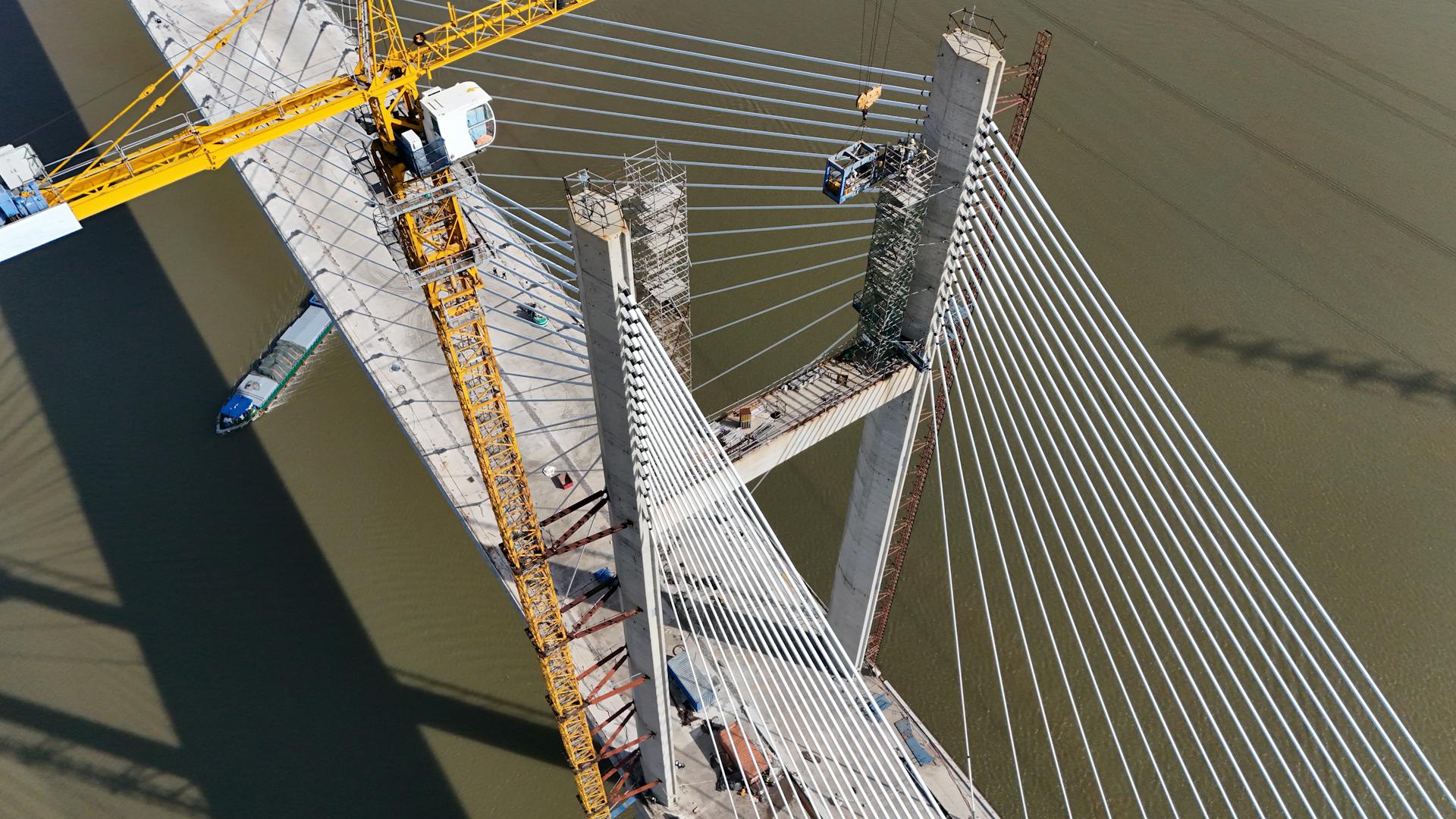
Photo by Cầu Đường Việt Nam via Pexels
Infrastructure planning has never carried higher stakes. Utilities, energy producers, and other asset-heavy organizations are under pressure to modernize aging systems, justify budgets, and respond faster to operational risks. Yet many still rely on spreadsheets, intuition, or siloed departmental data to make multimillion-dollar decisions. The result is predictable: slow responses, misallocated capital, and limited visibility into real problems.
Data-driven planning offers a different path. By unifying operational, financial, and performance data, leaders gain the clarity they need to identify risks early, prioritize investments, and communicate needs with confidence.
What "Data-Driven Infrastructure Planning" Actually Means
Data-driven infrastructure planning is the application of data-driven decision-making to physical infrastructure systems. It uses granular, field-level operational data-from meters, equipment, maintenance records, and system performance-to guide decisions about where to invest, when to maintain or replace assets, and how to allocate limited capital across competing infrastructure needs.
Unlike traditional planning approaches that rely on high-level budgets or static reports, this model starts at the asset and system level. Leaders use real-world data on asset condition, utilization, downtime, and operating cost to understand how infrastructure is actually performing in the field, where risk is accumulating, and which investments will deliver the greatest impact.
At its core, data-driven planning brings three capabilities together:
- A unified view of assets so organizations can see where problems are and how severe they are.
- Insights that reveal patterns and risks-from underperforming equipment to system failures across regions.
- Decision frameworks that help leaders compare options, model tradeoffs, and justify investments to boards, regulators, or the public.
It turns scattered operational data into a shared understanding of what needs attention and why. However, getting data-driven infrastructure planning right is not as simple as deciding it's worth doing. There are essential steps organizations must follow to successfully integrate the process into their operations.
The Real Problem: Fragmented Data and Limited Visibility
When infrastructure projects break down, it's often long before leadership enters a budget meeting. The underlying issue that sabotages so many well-intentioned projects is data fragmentation. Operational data sits in one system, financial data in another, and performance metrics in half a dozen more. Teams can't agree on what's happening because they aren't looking at the same information, which leads to complex decision-making processes and subpar outcomes.
This disconnect was evident with two of our recent clients. A national water-utility provider had vast datasets describing system conditions across the country, yet no practical way to digest or communicate where the most urgent problems were. An energy producer faced a different version of the same challenge: 17,000 gas meters scattered across multiple fields, each tied to software that users had to access individually. Some employees needed as many as twelve separate licenses just to form a basic operational picture.
Over time, this lack of visibility directly shapes how capital projects are planned. When leaders can't clearly see which assets are failing, where performance is degrading, or how issues vary across regions, capital projects are often scoped too broadly, prioritized incorrectly, or delayed, which can lead to catastrophic failures. Fragmented data obscures which infrastructure investments will actually reduce risk and improve reliability, and can hide serious problems, driving up the cost for their eventual resolution.
Building a Foundation: Creating a Single Source of Truth

Photo by Robert So via Pexels
The first step toward better capital planning isn't modeling or forecasting, but instead consolidation. When data from meters, equipment, field systems, finance tools, and historical records is scattered, even basic questions become hard to answer. Leaders need an environment where operational and performance data come together in a consistent, accessible format.
That transformation made a measurable difference for the domestic energy producer. After struggling with multiple disconnected systems and costly licensing requirements, they partnered with CSG to build a unified data environment. Through new ETL pipelines and a centralized data store, the company moved from dozens of standalone applications to a single access point for all 17,000 meters. The change streamlined workflows and directly impacted the bottom line, saving $250,000 a year in licensing fees for now redundant software. At the same time, every user, from senior leadership to field maintenance, is now able to get the exact data they need when they need it.
Once data is unified, organizations finally have the foundation required for advanced analytics, lifecycle modeling, and faster operational decision-making.
Seeing What Matters: Turning Raw Data Into Infrastructure Insights
Once data is consolidated, the next challenge is making it understandable. Raw operational records and system logs don't help leaders decide where to invest or which assets pose the most significant risk. Insight comes from visualization: mapping patterns, surfacing anomalies, and highlighting the failures or trends that matter most.
That shift was crucial for the water-utility provider. It had years of national infrastructure data but no way to interpret or explain it. By partnering with CSG, they were able to visualize where systems were located, where the problems were concentrated, and which communities faced the most urgent infrastructure needs. Instead of overwhelming stakeholders with disconnected datasets, they could walk them through clear, intuitive visuals that showed precisely why investment was necessary.
Visibility transforms conversations. It gives decision-makers a shared understanding of the problem and the confidence to act. For organizations managing distributed assets, that shared understanding is often the difference between proactive investment and costly, reactive repairs.
Prioritizing Capital Projects With Confidence
Clear visibility naturally leads to better prioritization. When leaders understand which assets are underperforming, which regions carry higher operational risk, and where the biggest financial impacts could occur, capital planning stops being reactive and becomes strategic. Decisions are no longer driven by the loudest request or the oldest spreadsheet, but grounded in evidence.
For the domestic energy producer, this shift was immediate. With unified data and customizable role-based views, teams could spot underperforming wells sooner and respond faster. What previously required jumping between a dozen systems became a single, coherent workflow that connected equipment behavior to financial and operational impact. The result was capital and maintenance decisions made with clearer justification and greater speed.
The water-utility provider saw a similar benefit. Their new ability to visualize failing or at-risk systems helped them tell a clearer story about where investment was most needed. Instead of describing abstract infrastructure challenges, they could show stakeholders exactly which communities faced the greatest risk-and why.
When organizations can see the problem, they can finally prioritize the solution. And when priorities are grounded in real data, the case for investment becomes far more compelling.
Infrastructure Planning That Matches the Stakes
Modern infrastructure decisions demand more than institutional memory or departmental best guesses. They require a clear understanding of asset conditions, operational risk, and where investment will have the most significant impact. Organizations that unify their data and transform it into actionable insight gain a decisive advantage: they can identify problems earlier, allocate capital more effectively, and communicate their needs with credibility.
Both the water-utility provider and the domestic energy producer saw what happens when fragmented data becomes a unified decision platform. Problems became visible. Priorities became clearer. And teams moved from reacting to issues to proactively addressing them.
For leaders facing aging assets and rising expectations, this is the path forward. Data-driven planning is a more innovative, more resilient way to run the business. If your organization is ready to build that foundation, CSG can help you get there.